Compare Local Contractors for Drainage Sloping Services
Compare local contractors for drainage sloping to define project scope, verify experience, and establish clear expectations for a successful property improvement.
Drainage sloping services typically involve adjusting the grade or slope of a property's surface to facilitate proper water runoff and prevent pooling or flooding. This work often includes assessing the current landscape, excavating soil or materials as needed, and shaping the terrain to direct water away from foundations, walkways, and other structures. Proper drainage sloping helps protect a property’s foundation and landscaping by ensuring water flows efficiently toward designated drainage points, reducing the risk of water-related damage over time.
Defining the scope of drainage sloping work is essential for setting clear expectations and ensuring the project addresses specific needs. A detailed scope outlines what areas will be adjusted, the extent of grading required, and any additional work such as soil removal or installation of drainage systems. Clarifying these details in writing helps prevent misunderstandings, ensures all parties are aligned on project goals, and provides a basis for comparing different service providers based on their approach and experience.
When choosing local contractors for drainage sloping, property owners should consider how to compare their qualifications and approaches effectively. Verifying experience with similar projects can provide insight into a contractor’s capability to handle specific terrain or drainage challenges. It’s also helpful to review how each contractor defines the scope of work and what methods they propose, ensuring these align with the property’s needs. Gathering information about their previous work, asking detailed questions, and requesting written descriptions of the scope can support a more informed decision when selecting a service provider.
Compare local contractors by outlining your priorities, verifying experience, and setting clear expectations in writing.
- Compare Contractor Experience - review the background and project history of local service providers to ensure they have relevant drainage sloping expertise.
- Define Project Scope Clearly - establish detailed work requirements and expectations before engaging with contractors.
- Verify Credentials and References - check references and past work to assess the reliability and quality of local contractors.
- Document Agreements in Writing - ensure all project details, responsibilities, and expectations are outlined in a formal agreement.
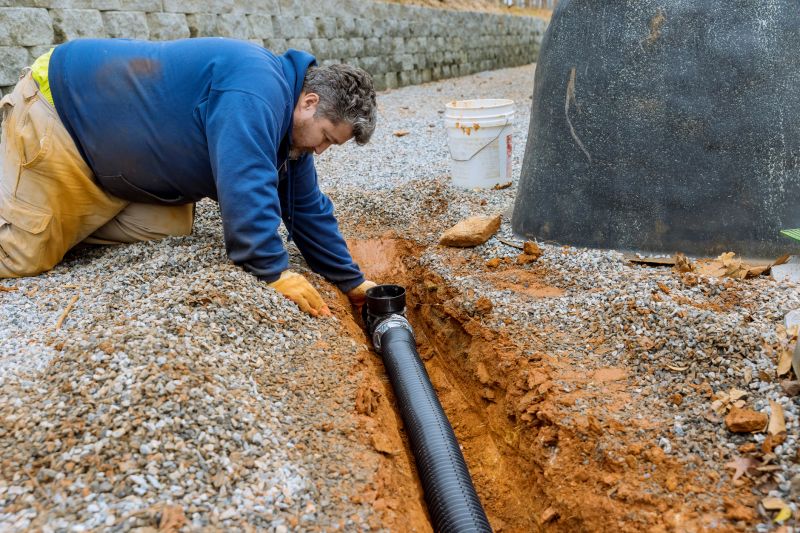
Clearly describe your drainage sloping project before comparing local contractors, verifying experience, and setting expectations in writing.
- Verify experience in drainage sloping projects to ensure contractors understand proper grading techniques. - Look for service providers who can clearly define the scope of work related to drainage slopes.
- Compare local contractors based on their methods for achieving proper slope and drainage flow. - Ensure they follow established guidelines for effective water runoff management.
- Request detailed written plans outlining the slope specifications and drainage solutions before work begins. - Confirm that expectations are documented to avoid misunderstandings later.
- Assess the contractor’s knowledge of site-specific factors that influence drainage, such as soil type and landscape features. - Consider how they plan to address potential challenges during the project.
- Check references or reviews to gauge the contractor’s track record with drainage sloping projects. - This can help verify their ability to deliver quality results.
- Ensure the scope of work includes proper slope measurement, grading, and drainage system installation if needed. - Clear documentation helps set appropriate expectations for the project.
Compare local contractors’ experience, define scope clearly, and set expectations in writing for drainage sloping projects.
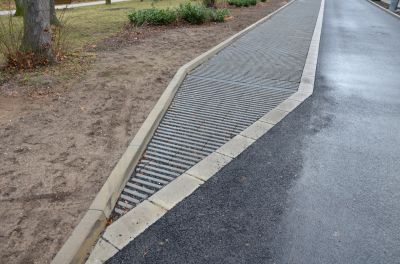
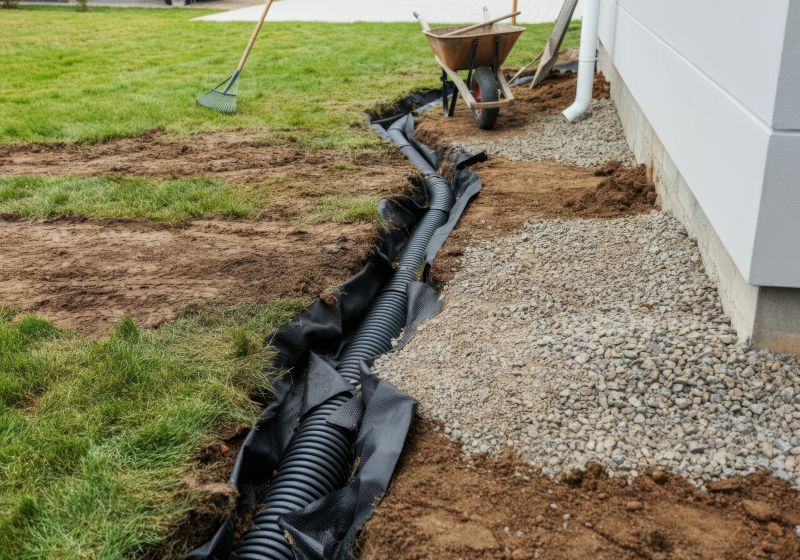
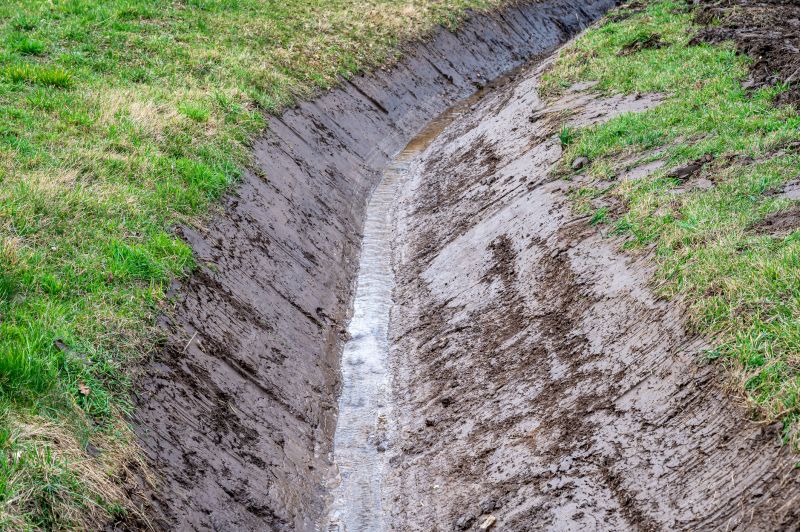
Learn how to compare drainage sloping contractors, define scope, verify experience, and set clear expectations in writing.
- Define slope requirements - specify the desired slope percentage to ensure proper drainage flow away from structures.
- Assess existing terrain conditions - evaluate current land contours and surface features that influence drainage effectiveness.
- Determine drainage flow directions - identify the intended pathways for water runoff to prevent pooling and erosion.
- Establish slope consistency and uniformity - ensure the slope is even and continuous across the entire area to facilitate effective drainage.
- Verify local contractor experience with drainage slopes - confirm that service providers have relevant experience in designing and implementing drainage sloping solutions.
When comparing contractors for drainage sloping projects, it is important to consider their experience with similar types of work. Homeowners should inquire about the scope of past projects to determine if a contractor has handled drainage adjustments in properties with comparable terrain, soil conditions, or existing drainage issues. A contractor’s familiarity with the specific challenges of drainage sloping can help ensure that the approach taken will be effective and tailored to the site’s needs.
A clear, written scope of work is essential for setting expectations and avoiding misunderstandings. Homeowners should seek detailed descriptions of the tasks involved, including the methods for grading, materials to be used, and the areas affected. Having this information documented provides a basis for evaluating whether the contractor’s plan aligns with the project’s goals and helps facilitate transparent communication throughout the process.
Verification basics involve confirming that a contractor has the appropriate experience and expertise to perform drainage sloping work reliably. This can include reviewing their portfolio of completed projects, asking for references from previous clients with similar projects, and verifying that they understand local site conditions. While licensing and certification are not discussed here, gathering evidence of past work and professional reputation can help assess the reliability and skill level of potential service providers.
Evaluating options without focusing on prices involves examining how well each contractor’s approach aligns with the project’s scope, their clarity in communication, and their ability to provide a comprehensive plan in writing. Homeowners should compare the level of detail in proposals, the experience demonstrated, and the consistency of the information provided. By focusing on these qualitative factors, it becomes easier to identify service providers who are well-equipped to handle drainage sloping projects effectively and reliably.
Ask contractors to provide written scope details to ensure clear expectations and consistent project understanding.
- Experience and Expertise - How do contractors demonstrate their experience with drainage sloping projects similar to the scope needed?
- Scope Definition - What details do contractors include in their scope of work to ensure all drainage sloping needs are covered?
- Comparison of Approaches - How do different service providers' methods for drainage sloping vary, and how can these differences impact the project?
- Work Guarantees and Warranties - What assurances do contractors provide in writing regarding the quality and durability of drainage sloping work?
- Communication and Clarification - How do contractors clarify project expectations and address potential challenges before work begins?
What should I consider when choosing a contractor for drainage sloping? It’s important to compare local contractors based on their experience, reputation, and the scope of services they offer to ensure they meet your project needs.
How can I verify a contractor’s experience with drainage sloping? You can review their past work, ask for references, and check if they have relevant project history related to drainage slope adjustments.
What questions should I ask a contractor before hiring for drainage sloping? Inquire about their approach to drainage slope projects, how they define the scope of work, and what steps they take to ensure proper drainage performance.
Why is it important to have a clear scope of work in writing? A written scope helps set clear expectations, defines project responsibilities, and provides a reference to avoid misunderstandings during the project.
How can I compare different contractors for drainage sloping services? Look at their experience, scope of work proposals, and how thoroughly they outline project details to make an informed comparison.
What role does communication play when working with drainage sloping contractors? Effective communication ensures that project goals are understood, expectations are aligned, and any issues can be addressed promptly throughout the work.
By reviewing the information provided, visitors can better understand the importance of defining the scope of drainage sloping projects, verifying the experience of local contractors, and setting clear expectations in writing. This approach helps ensure that the chosen service providers are well-suited to handle the specific needs of the job, fostering a smoother process from start to finish. Comparing multiple local contractors through the quote form allows for an informed decision based on available options in the area.
Utilizing the quote form makes it easier to explore and compare different local service providers who specialize in drainage sloping. Taking the time to define project details and verify contractor experience can contribute to a more transparent and effective selection process. Connecting with local contractors through this method provides a practical way to find professionals capable of addressing drainage needs without the need for commitments or assumptions.